
How to Qualify Marketing Leads Before Your Sales Team Contacts Them
Learn how to build accurate buyer personas from customer conversations, reviews, analytics, search behavior, and sales data instead of relying on assumptions.
Introduction
A marketing campaign can look professionally designed and still fail because it is aimed at the wrong people.
This is why buyer personas are so useful. A buyer persona gives a business a practical picture of its ideal customer, including their needs, problems, motivations, objections, buying behavior, and expectations.
The problem is that many businesses create personas based on assumptions.
They write things such as “our customer is a 30 year old professional who likes social media” without checking whether real customers actually behave that way.
A better approach is to build buyer personas using real customer data.
Customer conversations, reviews, search queries, social media comments, sales questions, website behavior, and customer feedback can reveal patterns that are far more useful than guesses. The source material specifically recommends studying these areas to understand audience problems, motivations, objections, and natural language.
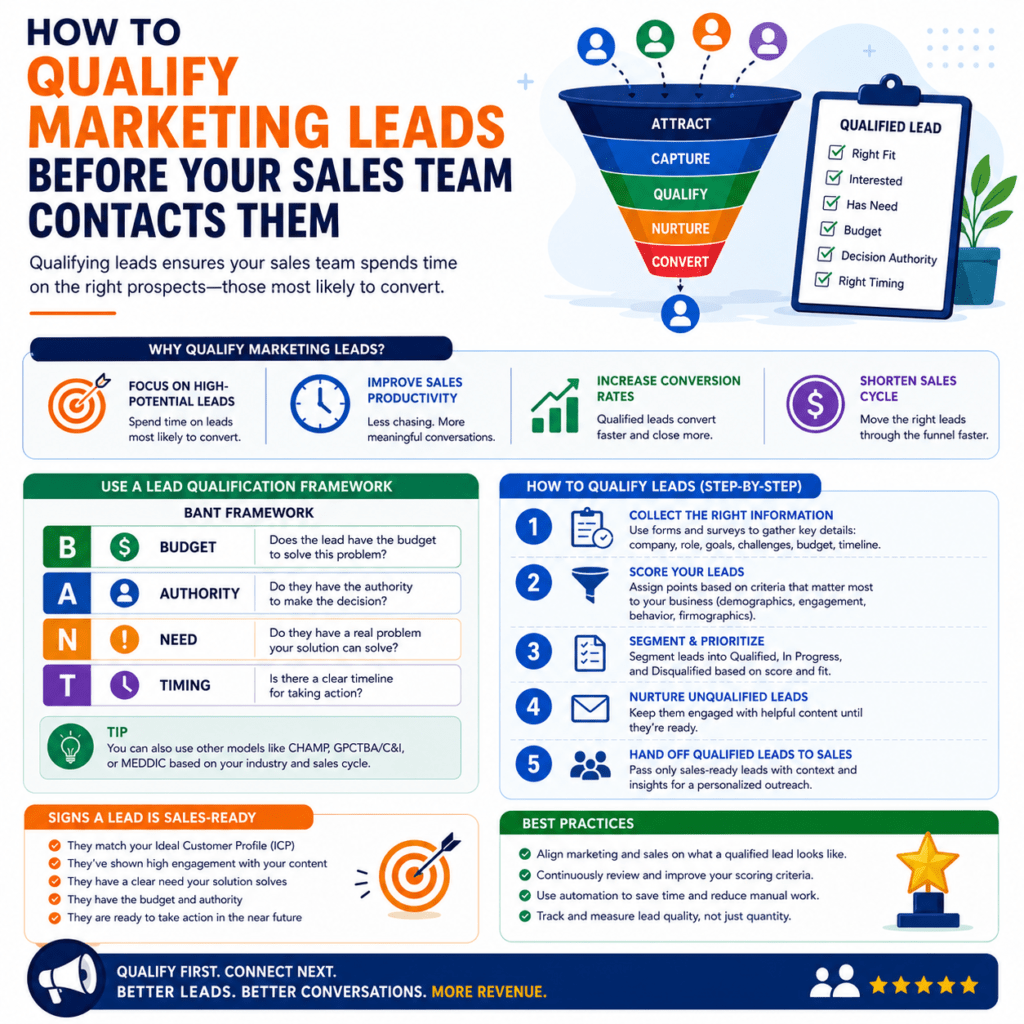
Table of Contents
What Are Buyer Personas?
Buyer personas are research based profiles that represent important customer groups for a business.
A persona can describe:
- Customer goals
- Problems
- Motivations
- Objections
- Buying triggers
- Preferred communication
- Information needs
- Decision making behavior
- Common concerns
For example, a dental clinic might discover that one important customer group consists of working professionals who value convenient appointment timings, transparent treatment information, location convenience, and online reviews.
That information is much more useful than simply saying:
“Our audience is adults.”
Why Buyer Personas Matter
Well developed buyer personas help businesses make better marketing decisions.
They can influence:
| Marketing Area | Persona Insight |
|---|---|
| Content | What questions should we answer? |
| Advertising | Who should we target? |
| Messaging | What problems should we address? |
| Offers | What value matters most? |
| Website | What information should appear first? |
| Sales | What objections should we prepare for? |
When customers feel understood, communication becomes more relevant.
The source material emphasizes that audience understanding should include customer problems, questions, motivations, objections, and the language customers naturally use.
What Customer Data Should You Collect?
The best buyer personas are built from several sources rather than one dataset.
Customer Conversations
Sales calls, support messages, consultations, and direct conversations can reveal what customers actually ask.
Pay attention to repeated questions.
Customer Reviews
Reviews can show what customers appreciate, what frustrates them, and what influenced their decision.
Search Queries
Search behavior can reveal how people describe their problems.
A person may search for a service differently from how your business describes that service.
Social Media Comments
Comments and direct messages can uncover questions and objections that may never appear in formal surveys.
Sales Questions
Your sales team may hear the same objections repeatedly.
For example:
“How much does it cost?”
“How long will it take?”
“What results can I expect?”
These questions can become valuable persona insights.
Website Analytics
Analytics can help identify which pages people visit, where they enter your website, and what actions they take.
How to Create Buyer Personas Step by Step
Step 1: Collect the Data
Gather information from existing customers.
Look for patterns instead of individual stories.
Step 2: Identify Common Problems
Group customers based on the problems they are trying to solve.
For example, a digital marketing agency may find that customers commonly struggle with:
- Low website traffic
- Poor lead quality
- Weak social media performance
- Lack of marketing strategy
Step 3: Identify Motivations
Ask what customers actually want.
Is the goal:
- More sales?
- More leads?
- Better visibility?
- Convenience?
- Lower costs?
- Professional credibility?
Understanding motivation helps improve messaging.
Step 4: Identify Objections
What stops customers from buying?
Common objections may involve:
- Price
- Trust
- Time
- Complexity
- Previous bad experiences
- Uncertainty about results
Addressing real objections can make marketing more useful.
Step 5: Group Similar Customers
Once patterns appear, group customers with similar needs and behavior.
Do not create a separate persona for every individual type of customer.
The objective is to identify meaningful groups.
How to Validate a Persona
Creating a persona is not the end of the process.
Test whether it reflects reality.
Ask:
Do our actual customers match this profile?
Do their questions match?
Do their objections match?
Does their buying behavior match?
Talk to sales and customer service teams.
Compare the persona with actual customer data.
A persona that sounds realistic but does not reflect real customers can mislead your marketing.
Keep Personas Practical
Avoid unnecessary details.
You probably do not need fictional information such as:
“Rahul drinks two cups of coffee every morning and enjoys weekend cricket.”
unless that information affects your marketing decisions.
Instead, focus on details such as:
“Needs affordable SEO services, has limited internal marketing resources, wants qualified leads, and prefers straightforward communication.”
That information can guide your strategy.
How Buyer Personas Improve Marketing
Better Content
Personas can help you decide which questions and topics deserve attention.
Better Advertising
You can create more relevant audience segments and messages.
Better Landing Pages
Your website can address the customer’s actual problems and concerns.
Better Offers
You can highlight benefits that matter to the intended audience.
Better Sales Conversations
Sales teams can prepare for common concerns.
The source material recommends connecting audience understanding with the next step in the customer journey and using clear, useful communication rather than disconnected marketing activity.
Practical Example
Imagine a real estate company analyzes enquiries from the previous six months.
It discovers three major customer groups.
Persona One: First Time Buyers
Main concerns:
- Budget
- Home loans
- Documentation
- Location
Persona Two: Investors
Main concerns:
- Rental potential
- Appreciation
- Location development
- Long term returns
Persona Three: Upgrade Buyers
Main concerns:
- Larger property
- Neighborhood quality
- Family requirements
- Convenience
The same property advertisement may not speak equally well to all three groups.
With clear buyer personas, the business can create different content and messages for each group.
Common Mistakes
Creating Personas From Guesswork
Real data should be the foundation.
Adding Too Many Details
Only include information that helps make marketing decisions.
Creating Too Many Personas
Too many profiles can make strategy difficult to manage.
Never Updating Personas
Customer behavior changes.
Review your personas when your audience, products, services, or market changes.
Ignoring Negative Feedback
Complaints and objections can be just as informative as positive feedback.
Frequently Asked Questions
What are buyer personas?
Buyer personas are research based customer profiles that describe important groups within a business audience, including their needs, motivations, problems, objections, and buying behavior.
Why are buyer personas important?
They help businesses create more relevant messaging, content, offers, advertising, website experiences, and sales conversations.
What data is used to create buyer personas?
Useful data can come from customer conversations, reviews, search queries, social media comments, website behavior, surveys, sales questions, and customer feedback.
How many buyer personas should a business have?
There is no fixed number. Create enough to represent meaningful customer groups without making the strategy unnecessarily complicated.
How often should buyer personas be updated?
Review them periodically and whenever there are meaningful changes in customer behavior, services, products, or market conditions.
Can small businesses use buyer personas?
Absolutely. Even a small business can learn a great deal from customer conversations, reviews, enquiries, and search behavior.
Conclusion
Strong buyer personas are not fictional characters created in a meeting room.
They should come from real evidence.
Study customer conversations, reviews, search queries, social media interactions, website behavior, and sales questions. Look for repeated patterns in problems, motivations, objections, and buying behavior.
Then turn those patterns into practical customer profiles that can guide content, advertising, website messaging, offers, and sales.
The most useful persona is not the one with the most information.
It is the one that helps your business make better decisions.
As the source material emphasizes, effective marketing begins with a clear understanding of the people you want to reach and the problems, motivations, questions, and objections that influence them.